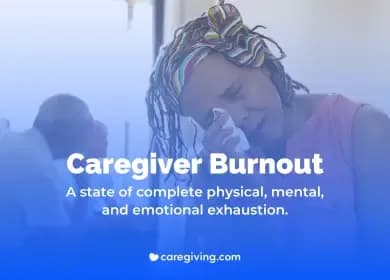
About this resource
“What is Caregiver Burnout (And How to Prevent It)” is a Caregiving.com article that defines one of the most serious risks caregivers face and offers strategies to keep it at bay. Burnout is more than ordinary tiredness — it’s a state of physical, emotional, and mental exhaustion that can derail a caregiver’s health and their ability to provide care.
The article explains what burnout is and how it develops, then helps caregivers recognize its warning signs: chronic exhaustion, irritability, withdrawal, loss of interest, sleep and appetite changes, frequent illness, and feelings of hopelessness or resentment. Most importantly, it focuses on prevention — the strategies that keep stress from hardening into burnout: setting boundaries, accepting and asking for help, using respite, maintaining one’s own health, staying connected, and practicing regular self-care. By framing burnout as preventable, the article empowers caregivers to take protective action before reaching a breaking point.
This resource matters because caregiver burnout is widespread and can have severe consequences for both the caregiver and the person they care for, yet it often develops gradually and unnoticed. Understanding it and knowing how to prevent it is foundational caregiver knowledge. For any caregiver — especially those feeling the strain build — this article offers both a clear warning system and an actionable prevention plan. It is freely available on Caregiving.com.
What you'll get from this resource
- A Caregiving.com article defining caregiver burnout and how to prevent it.
- Burnout is physical, emotional, and mental exhaustion — more than ordinary tiredness.
- Warning signs include chronic exhaustion, irritability, withdrawal, and hopelessness.
- Prevention: boundaries, accepting help, respite, self-care, and staying connected. Free on Caregiving.com.
Frequently asked questions
A state of physical, emotional, and mental exhaustion from prolonged caregiving stress — more serious than ordinary tiredness.
Chronic exhaustion, irritability, withdrawal, loss of interest, sleep and appetite changes, frequent illness, and feelings of hopelessness or resentment.
Set boundaries, accept and ask for help, use respite, maintain your health, stay connected, and practice regular self-care.
We're here to help.
You've found your partner in caregiving. Connect with your local Area Agency on Aging for personalized services, programs, and support in your area.