Browse All Resources

Caregiver Well-Being

Practical tools to help you care for yourself while caring for others — supporting your physical, emotional, and mental wellbeing so you can stay resilient, balanced, and empowered in your caregiving journey.


Caregiver Well-Being
45 Resources Found

The Importance of Self-Care

The need for you as a care partner to understand the task ahead, and the need to evaluate your own capabilities.
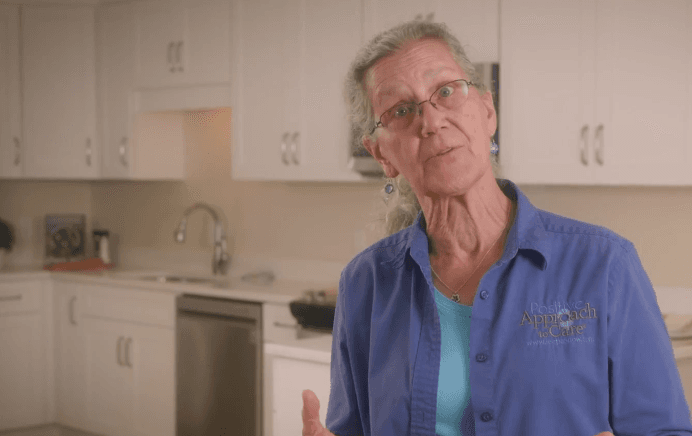
Prioritizing Personal Relationship over Care

Recognize that maintaining a genuine relationship with the person you support is more important than the caregiving tasks themselves.

3 Minute Care Tips: Plan a Loving Visit

Short and sweet support tips to brighten your day from caregiving consultant & coach Saskia de Quaasteniet.

3 Minute Care Tips: From Impatient to "I'm Patient" in Five Seconds
Short and sweet support tips to brighten your day from caregiving consultant & coach Saskia de Quaasteniet.

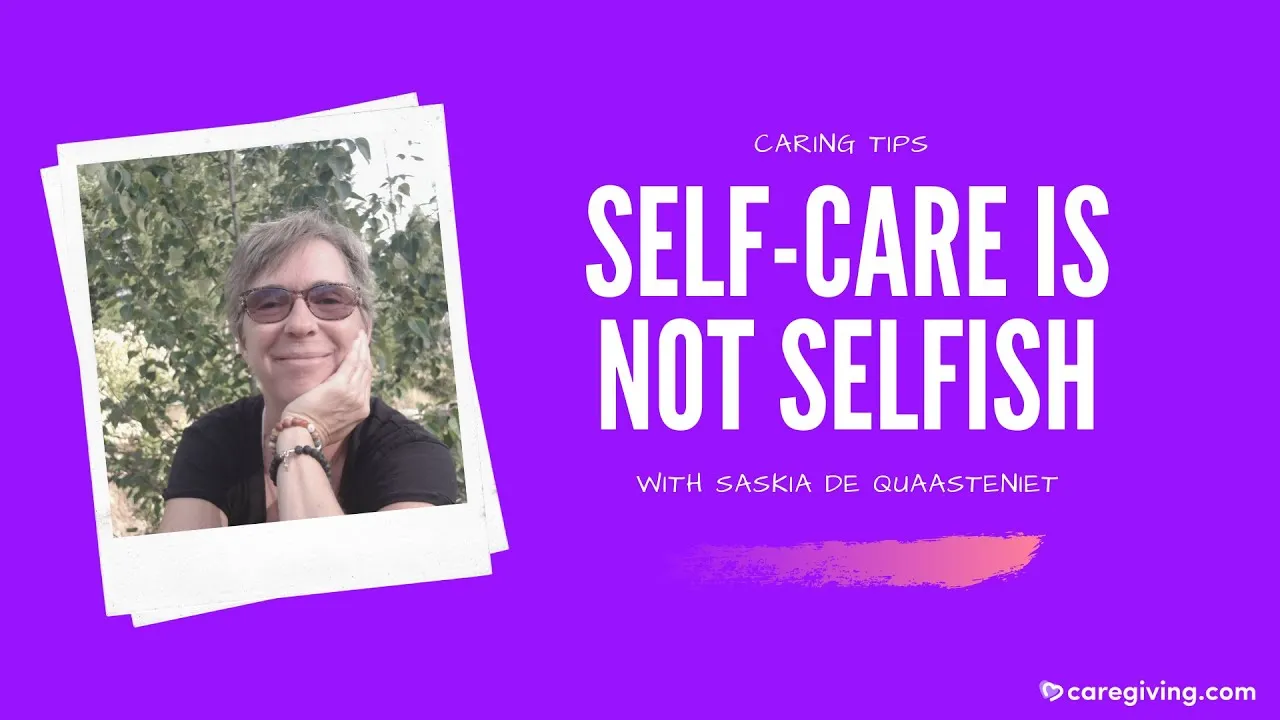
3 Minute Care Tips: Self-Care is Not Selfish

Short and sweet support tips to brighten your day from caregiving consultant & coach Saskia de Quaasteniet.

3 Minute Care Tips: Why Solitude is Important

Short and sweet support tips to brighten your day from caregiving consultant & coach Saskia de Quaasteniet.

3 Minute Care Tips: Dance Like Nobody’s Watching

Learn how to bring a little movement and spontaneity into your day.

3 Minute Care Tips: Boost Your Energy

This simple technique can help boost mood and energy when you’re feeling overwhelmed.

3 Minute Care Tips: Stand Up for Yourself

Be brave and bold. Tell your friends and family what you want.

3 Minute Care Tips: Shut Up and Listen

You can learn a lot about your loved one’s needs when you ask them open-ended questions.

3 Minute Care Tips: Give Thanks to Yourself

A special message from Caregiving.com and Saskia de Quaasteniet for Thanksgiving.

Benefits of Respite Music

Consider using music as a small act of love for yourself every day.

Microdosis de autocuidado: Un salvavidas para los cuidadores abrumados

Como cuidador, que dedicas incansablemente tu tiempo, energía y corazón a garantizar el bienestar de tus seres queridos, también necesitas tiempo para cuidarte a ti mismo...

Micro-Dosing Self-care: A Lifeline for Overwhelmed Caregivers

As a caregiver, tirelessly devoting your time, energy, and heart to ensure the well-being of your loved ones, you need time to care for yourself too...

Caregiving Amid Personal Trauma: Setting Boundaries, Self-Care, and Transformative Healing

A Journey of Healing, Growth, and Strength

Empowering the Caregiver's Soul: Harnessing the Power of Positive Affirmations

Maintaining a positive and resilient mindset becomes a crucial aspect of the caregiver's journey in the tapestry of caregiving, where love intertwines with challenges and compassion dances with exhaustion.

Beyond the Ordinary: Unconventional Self-Care for Family Caregivers

Here are some unconventional ways to help you maintain your mental and physical wellbeing:

Feeling Alone? Solitude In Caregiving Is Normal, And There Are Things You Can Do

It’s normal to feel this way, but that doesn’t mean it has to stay this way.

Practical Tips for Building Connectedness

Feeling isolated can often be an unwelcome companion on your caregiving journey.

Seeing Our Own Signs: Self-Awareness Exercises to Help Get You Out of Isolation

It's all too easy to overlook your feelings or health.

Nurture Self-Love Every Day

Self-love and self-care aren’t just fluffy buzzwords reserved for bubble baths, yoga, massage, and scented candles.

What My Therapist Taught Me: Pieces of Advice I (Eventually) Took to Heart

Therapy isn't exactly a walk in the park.

Dusting Off Your Inner Strength: A Crash Course in Trauma-Informed Self-Care

Self-care – we all know it's important, but let's be honest, sometimes it feels like chasing butterflies in a hurricane of responsibilities.

A Self-Reflection Journey for Family Caregivers

Recognizing how you’ve grown and all you’ve accomplished.

Would You Talk to Your Best Friend Like That?

Understanding positive self-talk and why we can struggle using it.

Guilt Be Gone!

Start the process (yes, it takes time) to prevailing over feelings of guilt

Garden Therapy: Accessible Gardening Made “Easy”

Gardening can be oh so therapeutic for you as a caregiver and/or for your loved one...

Putting on Your Oxygen Mask First

“Putting on Your Oxygen Mask First” is a Caregiving.com article that takes the familiar airline metaphor — secure your own mask before helping others — and examines the reality of applying it to caregiving. While the phrase is often repeated, this article digs into what it actually means and why it's so hard for caregivers to live by.The article acknowledges the gap between knowing you should care for yourself first and actually doing it when someone you love depends on you. It explores the practical and emotional obstacles — guilt, lack of time, the feeling that the loved one's needs are more urgent — and reframes self-care as the precondition for sustainable caregiving rather than a competing priority. Just as you can't help others if you've passed out from lack of oxygen, you can't care well for a loved one if you're depleted, ill, or burned out. The article helps caregivers move the metaphor from cliché to practice.This resource matters because the oxygen-mask principle is the foundation of caregiver sustainability, yet caregivers routinely violate it until they crash. Confronting the reality of why it's hard — and why it's nonetheless essential — can help caregivers finally take it to heart. For caregivers who put themselves last, this article offers a clarifying, motivating perspective. It is freely available on Caregiving.com.

Self-care Workbook

Your trusty guide, helping you carve out a precious moment for yourself amidst the daily hustle.

Vitality Series: The stress of caregiving
“The Stress of Caregiving” is part of Caregiving.com's Vitality Series, a set of articles examining the health dimensions of caregiving. This installment focuses squarely on caregiver stress — what causes it, how it manifests, and why it deserves serious attention rather than being dismissed as simply part of the job.The article explores the many sources of caregiver stress: the relentless demands, financial pressures, emotional strain, loss of personal time, and uncertainty about the future. It describes how chronic stress shows up physically and emotionally — fatigue, irritability, sleep problems, anxiety, and more — and lays the groundwork for understanding why managing it matters so much. By naming and explaining caregiver stress clearly, the article validates what caregivers are experiencing and helps them see it as a real, addressable health issue rather than a personal failing.This resource matters because caregiver stress, left unmanaged, leads to burnout, depression, and serious physical health consequences — and the first step to managing it is understanding it. As part of a series, this article connects to broader discussions of caregiving's health impacts and its upsides, giving caregivers a fuller picture. For caregivers feeling the weight of stress, this article offers clarity and validation. It is freely available on Caregiving.com.

Vitality Series: The physical and mental health implications of caregiving

“The Physical and Mental Health Implications of Caregiving” is part of Caregiving.com's Vitality Series. This installment examines how the demands of caregiving can affect a caregiver's own physical and mental health — a reality that is often overlooked even as caregivers monitor their loved ones' health closely.The article details the well-documented health risks caregivers face. On the physical side, chronic stress and neglected self-care can contribute to weakened immunity, sleep deprivation, high blood pressure, and a higher risk of chronic illness. On the mental side, caregivers experience elevated rates of depression, anxiety, and emotional exhaustion. By laying out these implications clearly, the article underscores that caregiver health is a genuine concern — not vanity or weakness — and that protecting it is essential both for the caregiver and for the person depending on them.This resource matters because caregivers often sacrifice their own health without realizing the cumulative toll until a crisis hits. Understanding the real physical and mental health implications motivates caregivers to take prevention seriously — getting their own checkups, managing stress, and seeking support. As part of the Vitality Series, it fits within a broader, balanced look at caregiving's effects. For caregivers, this article is an important wake-up call and a case for self-care. It is freely available on Caregiving.com.

Vitality Series: The upsides of caregiving

“The Upsides of Caregiving” is part of Caregiving.com's Vitality Series, and it offers a deliberately balanced perspective: alongside the genuine stresses and health implications of caregiving, there are real, meaningful upsides worth recognizing. This article shines a light on them.While much caregiver content (rightly) focuses on burdens and risks, this piece explores the positive dimensions many caregivers experience: a deepened relationship with the loved one, a sense of purpose and meaning, personal growth, new skills and confidence, gratitude, and the profound satisfaction of giving back to someone who matters. It doesn't deny the hardships — the broader Vitality Series covers those — but it insists that acknowledging the rewards is part of an honest, healthy view of caregiving. Recognizing these upsides can sustain caregivers and reframe their experience in a more hopeful light.This resource matters because caregivers immersed in stress can lose sight of the meaning and growth in what they do, which deepens burnout and resentment. Intentionally noticing the positives — without minimizing the difficulties — supports emotional resilience and a more sustainable relationship with the role. For caregivers who need a reminder that their work holds genuine value and reward, this article offers a hopeful, validating perspective. It is freely available on Caregiving.com.

Reimagine and Micro-Dose Self-Care

“Reimagine and Micro-Dose Self-Care” is a Caregiving.com article that encourages caregivers to rethink what self-care can look like and to deliver it in small, frequent doses rather than waiting for rare large breaks. It combines two powerful ideas: reimagining self-care to fit a caregiver's real life, and "micro-dosing" it throughout the day.The article challenges the narrow, often unrealistic image of self-care (spa days, long retreats) and invites caregivers to define it on their own terms — whatever genuinely restores them, however briefly. It then promotes the micro-dosing approach: weaving tiny restorative moments into the cracks of a busy day, so that self-care becomes consistent and achievable rather than an elusive event. Together, these ideas make self-care both personal and practical, removing the all-or-nothing thinking that leads many caregivers to skip it entirely.This resource matters because the two biggest barriers to caregiver self-care are believing it requires lots of time and believing it must look a certain way. By dismantling both, this article makes well-being genuinely accessible to even the most time-starved, overwhelmed caregivers. Small, frequent, personalized acts of care add up to meaningful resilience and help prevent burnout. For caregivers who feel self-care is out of reach, this article offers a liberating, doable approach. It is freely available on Caregiving.com.

The Joys of Journaling

“The Joys of Journaling” is a Caregiving.com article that introduces journaling as a simple, powerful tool for caregiver well-being. Writing down one's thoughts and feelings offers an accessible outlet for the complex emotions caregiving stirs up, and this article makes the case for picking up a pen (or keyboard).The article explores the benefits of journaling: processing difficult emotions like grief, guilt, and frustration; relieving stress by getting worries out of one's head and onto the page; tracking patterns in mood and energy; capturing meaningful moments and memories; and gaining clarity and perspective on challenges. It also offers reassurance that there's no "right" way to journal — it can be a few lines or many pages, daily or occasional, structured or free-form — lowering the barrier for caregivers who might feel intimidated. The emphasis is on journaling as a private, judgment-free space that's entirely the caregiver's own.This resource matters because caregivers carry an enormous emotional load with few outlets to release it, and unexpressed feelings can fester into stress and depression. Journaling provides a free, always-available way to process emotions and care for one's mental health. It can also become a meaningful record of a caregiving journey. For caregivers seeking an easy, restorative practice, this article offers an inviting place to begin. It is freely available on Caregiving.com.

Why are Boundaries Important?

“Why are Boundaries Important?” is a Caregiving.com article that explains one of the most essential — and most difficult — skills in caregiving: setting and maintaining healthy boundaries. For caregivers who give endlessly and struggle to say no, understanding why boundaries matter is the first step toward protecting themselves.The article makes the case that boundaries are not selfish or unloving; they are what make sustainable caregiving possible. Without them, caregivers take on more than they can handle, lose their sense of self, and slide toward resentment and burnout. The article explains what boundaries look like in a caregiving context — limits on time, tasks, and emotional labor; clarity about what one can and cannot do; and the right to one's own needs — and why honoring them benefits everyone, including the loved one, who is better served by a caregiver who isn't depleted. It frames boundary-setting as an act of self-respect and long-term care.This resource matters because the inability to set boundaries is a leading driver of caregiver burnout, yet many caregivers feel guilty or incapable of doing so. Understanding the importance and legitimacy of boundaries gives caregivers permission to establish them. For caregivers who feel they must do everything for everyone, this article offers an essential shift in thinking. It is freely available on Caregiving.com.

Caring For Your Sexual Wellbeing - Intimate Partner Caregivers
This Caregiving.com article addresses a deeply personal and often-unspoken aspect of caregiving: sexual well-being for those caring for an intimate partner. When a spouse or partner becomes a caregiver, the intimate relationship can change profoundly, and this article opens an honest, compassionate conversation about that reality.The article acknowledges how illness, disability, caregiving roles, and the emotional toll can affect intimacy and a couple's sexual relationship — through physical limitations, role shifts (from partner to caregiver), fatigue, stress, grief, and changing desires. It validates the wide range of feelings partners experience, from loss and frustration to guilt, and offers thoughtful guidance on maintaining connection and intimacy in whatever form is possible, communicating openly, and caring for one's own needs without shame. It treats the topic with the dignity and seriousness it deserves, rather than ignoring it as so much caregiving content does.This resource matters because intimate-partner caregivers face unique relational and emotional challenges that are rarely acknowledged, leaving many feeling isolated and confused about a private but important part of their lives. Naming these issues and offering compassionate guidance helps partners navigate them and preserve connection and self-respect. For spousal and partner caregivers, this article fills a real and sensitive gap. It is freely available on Caregiving.com.

What is Caregiver Burnout (And how to Prevent it)
YOU can choose how to use your time and energy

When Boundaries Become Blurred

“When Boundaries Become Blurred” is a Caregiving.com article that examines what happens when the lines a caregiver tries to maintain begin to erode — a common and difficult experience as caregiving demands intensify and roles shift. It complements broader discussions of why boundaries matter by focusing on the reality of boundaries breaking down.The article explores how caregiving boundaries blur over time: the caregiver gradually takes on more, the distinction between their own life and the loved one's needs dissolves, and roles (such as adult child becoming parent-like, or spouse becoming nurse) become confused. It examines the consequences — lost identity, resentment, exhaustion, strained relationships — and offers guidance on recognizing when boundaries have slipped and how to re-establish them. The emphasis is on awareness and gentle correction rather than self-blame, acknowledging that boundary erosion happens to even the most thoughtful caregivers.This resource matters because blurred boundaries are a major, often-invisible driver of caregiver distress; the slow loss of one's own life and identity can lead to burnout and damaged relationships before a caregiver even notices. Recognizing the signs of blurred boundaries is the first step to restoring healthier ones. For caregivers who feel they've lost themselves in the role, this article offers clarity and a path back. It is freely available on Caregiving.com.

Small Changes can Have Huge Impacts for Your Wellbeing
Exploring the world of activities of daily living (ADLs)

Managing Unearned Caregiver Guilt

“Managing Unearned Caregiver Guilt” is a Caregiving.com article that draws a crucial distinction: much of the guilt caregivers carry is unearned — based not on any real wrongdoing but on impossible standards, circumstances beyond their control, and an inner critic that refuses to give credit. Naming this guilt as "unearned" is itself a powerful reframe.The article helps caregivers separate legitimate, useful guilt (which signals a genuine misstep we can correct) from unearned guilt (which punishes us for being human, for having limits, or for things we never controlled). It explores common sources of unearned guilt — not being able to do everything, needing rest, feeling negative emotions, or a loved one's decline despite the caregiver's best efforts — and offers strategies to challenge and release it: questioning the underlying assumptions, practicing self-compassion, and recognizing the limits of one's responsibility. The goal is to free caregivers from a burden that serves no purpose and only causes harm.This resource matters because unearned guilt is pervasive among caregivers and is a significant contributor to anxiety, depression, and burnout — yet it's based on faulty premises that can be examined and dismantled. Learning to recognize and release it protects mental health and well-being. For caregivers who feel guilty no matter how much they do, this article offers genuine relief and a healthier perspective. It is freely available on Caregiving.com.

Anchoring in the Present Meditation

“Anchoring in the Present Meditation” is a guided meditation from Caregiving.com designed to help caregivers ground themselves in the present moment. For minds that race with worries about a loved one's future, endless to-do lists, and replayed regrets, this practice offers a way to find steadiness and calm right now.The meditation guides caregivers to anchor their attention — often through the breath, the senses, or the body — in the present, gently releasing anxious thoughts about past and future. This kind of mindfulness practice has well-documented benefits: it lowers stress, calms the nervous system, improves focus, and creates a small refuge of peace amid chaos. As a guided practice, it requires no prior experience; caregivers simply follow along, making it accessible even for those who feel they "can't meditate." It can be used in a few quiet minutes whenever stress rises.This resource matters because caregivers spend so much mental energy in the anxious future and the regretful past that they rarely experience calm in the present — the only place rest actually lives. A simple, guided anchoring practice offers genuine relief and is always available, free, and quick. For caregivers seeking a moment of peace, this meditation is an accessible tool. It is freely available on Caregiving.com.

Compassion Meditation

“Compassion Meditation” is a guided meditation from Caregiving.com that helps caregivers cultivate compassion — including, crucially, compassion for themselves. While caregivers extend boundless compassion to others, they often withhold it from themselves; this practice helps restore that balance.The meditation guides caregivers through generating feelings of warmth, kindness, and understanding, directed both toward themselves and toward others. Compassion-focused practices like this are well-studied for their ability to reduce self-criticism, ease stress and anxiety, soften difficult emotions, and increase a sense of connection and emotional resilience. As a guided practice, it requires no experience and can be done in a few quiet minutes, making it accessible for busy, depleted caregivers. The emphasis on self-compassion is especially valuable for those who are harsh with themselves.This resource matters because self-criticism and emotional exhaustion are central features of caregiver distress, and compassion practices directly counter them. Cultivating compassion — particularly toward oneself — builds the inner kindness that sustains caregivers through difficulty and protects against burnout. It's a free, portable practice that meets caregivers wherever they are. For caregivers who give compassion freely but rarely receive it, this meditation offers a way to turn that care inward. It is freely available on Caregiving.com.

Loving and Kindness Meditation

“Loving and Kindness Meditation” is a guided meditation from Caregiving.com based on the well-known loving-kindness (metta) practice, which cultivates feelings of goodwill and warmth toward oneself and others. It's a gentle, restorative practice particularly suited to the emotional landscape of caregiving.In this meditation, caregivers are guided to extend wishes of well-being — for safety, health, peace, and ease — first to themselves and then outward to loved ones and others. Loving-kindness meditation is well-researched for its benefits: it increases positive emotions, reduces stress and self-criticism, fosters connection, and can soften the difficult feelings (resentment, frustration, grief) that arise in caregiving relationships. As a guided practice, it's accessible to beginners and can be completed in a few minutes, fitting into even a packed day.This resource matters because caregiving can harden the heart under stress and strain even loving relationships, and a practice that deliberately cultivates warmth — toward both self and loved one — helps counteract that. Including oneself in the circle of kindness is especially important for caregivers prone to self-neglect and harsh self-judgment. It's free, portable, and requires nothing but a few quiet minutes. For caregivers seeking emotional restoration and reconnection, this meditation is a lovely resource. It is freely available on Caregiving.com.

Breaking the Silence: Addressing the Taboos in Caregiving
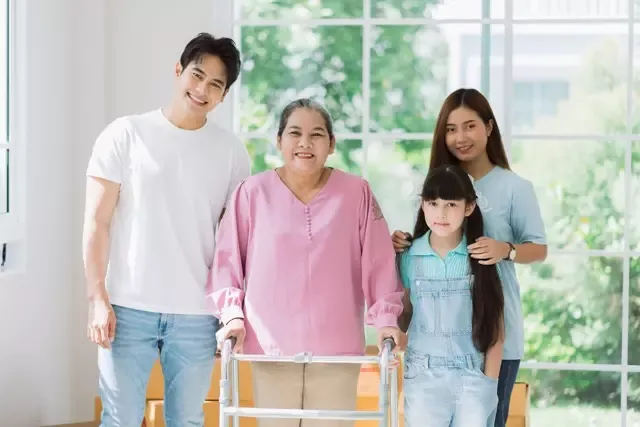
We often celebrate the triumphs and heartwarming stories of caregivers – tales of love that inspire. However, there are experiences that touch upon the uncomfortable...

Coping with Strong Emotions Toward Your Caregiving Role

Becoming a family caregiver can be life-altering in both positive and challenging ways.