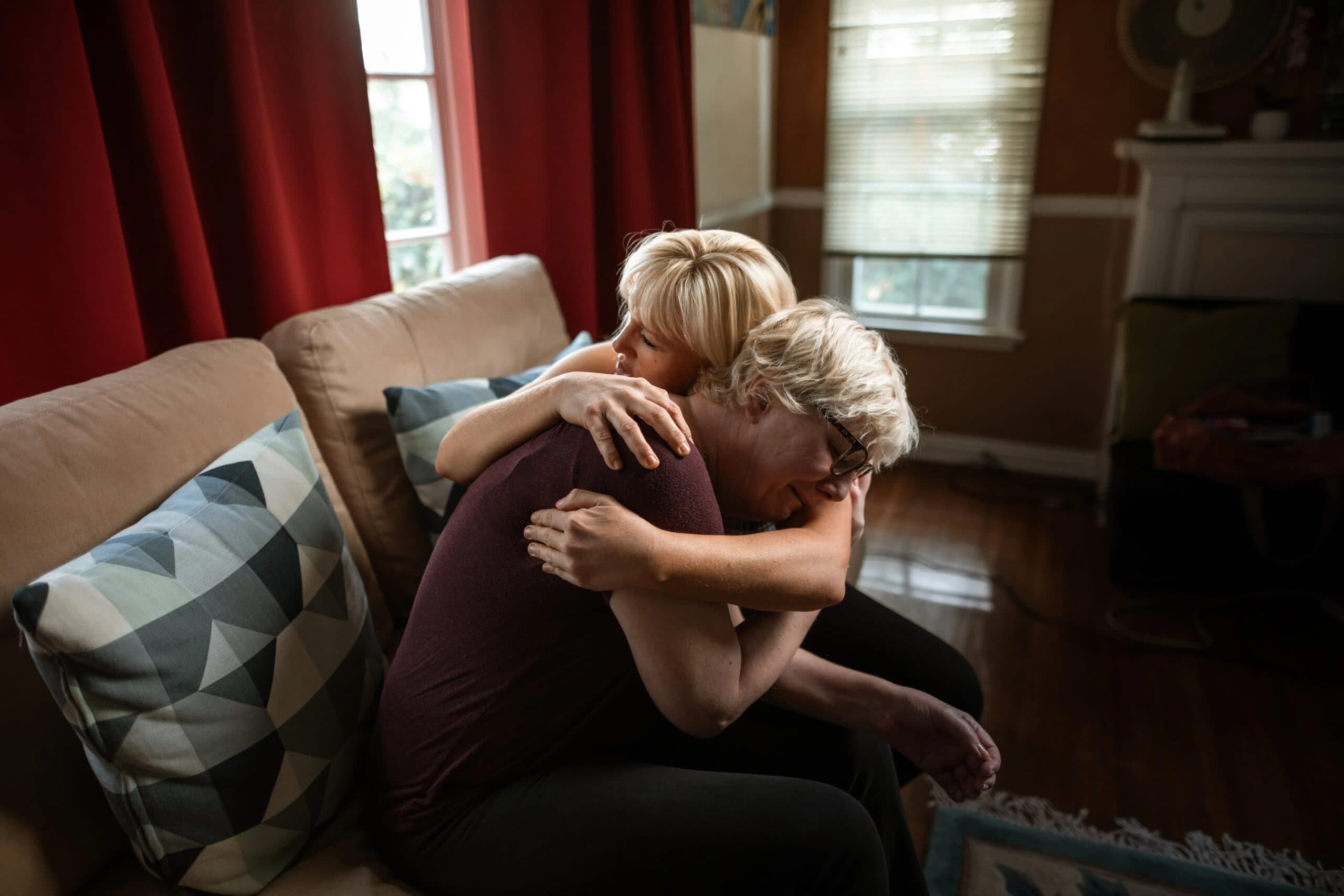
About this resource
This Caregiving.com article names a form of grief that often goes unrecognized: mourning a relationship that has changed, even while the person is still alive. As it reassures readers, mourning the relationship you had and the dreams you held for the future is entirely natural — not a sign of weakness or neglect, but a testament to the depth of your love and the impact this turn has had on your life.
When illness, dementia, disability, or the caregiving role transforms a relationship — a spouse who no longer recognizes you, a parent who now depends on you like a child, a partnership that has become caregiving — the bereaved are grieving a living person and a future that won’t be. This “ambiguous loss” is real and painful, yet it’s rarely acknowledged or supported. The article validates these feelings and helps caregivers understand that grieving the relationship they’ve lost, while still caring for the person, is healthy and human.
This resource matters because ambiguous, ongoing grief is one of the most common and least understood experiences in caregiving, and caregivers often feel guilty or confused for grieving someone still alive. Naming and validating this grief relieves that guilt and helps caregivers process it. For caregivers mourning who their loved one used to be, this article offers profound recognition and comfort. It is freely available on Caregiving.com.
What you'll get from this resource
- A Caregiving.com article on grieving a relationship that has changed while the person is still alive.
- Validates this 'ambiguous loss' as natural — a testament to love, not weakness or neglect.
- Helps caregivers process grief for who a loved one used to be without guilt.
- Freely available on Caregiving.com.
Frequently asked questions
Yes. Mourning a relationship changed by illness, dementia, or caregiving is a real ‘ambiguous loss’ — natural and a testament to your love.
No. The article reassures that grieving the relationship and future you’ve lost is healthy and human, not a sign of weakness or neglect.
The article is freely available on Caregiving.com.
We're here to help.
You've found your partner in caregiving. Connect with your local Area Agency on Aging for personalized services, programs, and support in your area.