About this resource
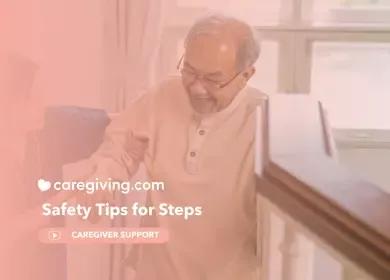
This Caregiving.com article offers focused safety tips for steps and stairs — among the most dangerous features of any home for older adults. Stairs combine elevation, balance demands, and the potential for a serious fall, so making them safer is one of the highest-priority tasks in home-safety planning.
The article walks through practical ways to reduce stair-related risk. Common recommendations include installing sturdy handrails on both sides of every staircase, ensuring steps are even and in good repair, improving lighting (with switches at both the top and bottom and nightlights for evening use), adding high-contrast markings or non-slip treads to make step edges visible and secure, keeping stairs clear of clutter, and, where stairs become unmanageable, considering solutions like stairlifts or rearranging living space to a single level. Each tip addresses a specific way stairs cause falls.
This resource matters because stair falls are frequently severe — a tumble down a flight can cause fractures, head injuries, or worse — and yet many of the fixes are straightforward and affordable. Addressing stairs proactively can prevent a life-altering injury. For caregivers whose loved one lives in a multi-level home or must use steps to enter, these tips are essential. The article is freely available on Caregiving.com.
What you'll get from this resource
- A Caregiving.com article with focused safety tips for steps and stairs.
- Recommends handrails on both sides, good repair, strong lighting, and non-slip treads or markings.
- Suggests stairlifts or single-level living where stairs become unmanageable.
- Freely available on Caregiving.com.
Frequently asked questions
They combine elevation, balance demands, and the potential for a serious fall, so stair falls are frequently severe.
Install handrails on both sides, keep steps even and in good repair, improve lighting, add non-slip treads or high-contrast markings, and keep stairs clear.
The article is freely available on Caregiving.com.
We're here to help.
You've found your partner in caregiving. Connect with your local Area Agency on Aging for personalized services, programs, and support in your area.