Home Safety Assessment and Driving
Explore practical ideas for creating a home that’s safe, comfortable, and well-suited for older adults, along with helpful resources on driving and preserving independence.
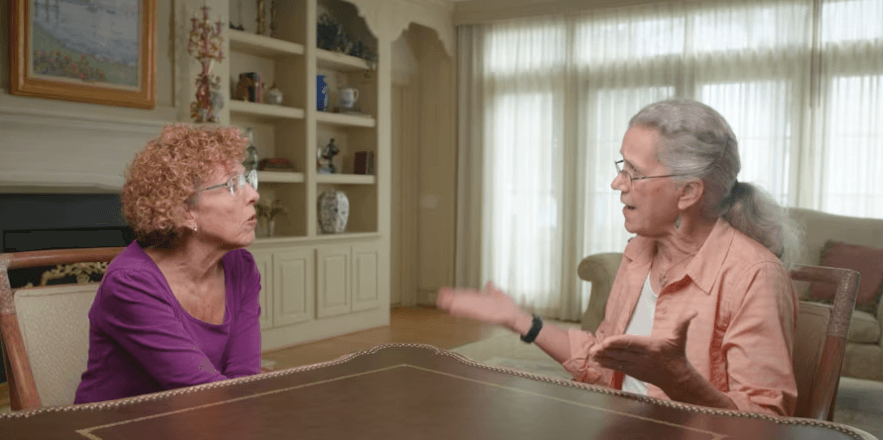
Demo – Conversation with a Person Whose Driving Status Has Changed
Daughter responds to her mother’s reaction to a notice of driver’s license suspension. Notice how she uses reflection, validation, and other skills to navigate the conversation, meet her mother’s need in the moment, and set the stage for next steps.

Demo – Conversation between Family Members about Need to Evaluate Driving Abilities
Two sisters share observations and concerns about their mother’s changing driving abilities and come with a plan for next steps.
The Decision to Evaluate the Ability to Drive
Factors to consider as driving abilities are changing. What to look for, how to proceed, who to involve, and how to have the conversation.
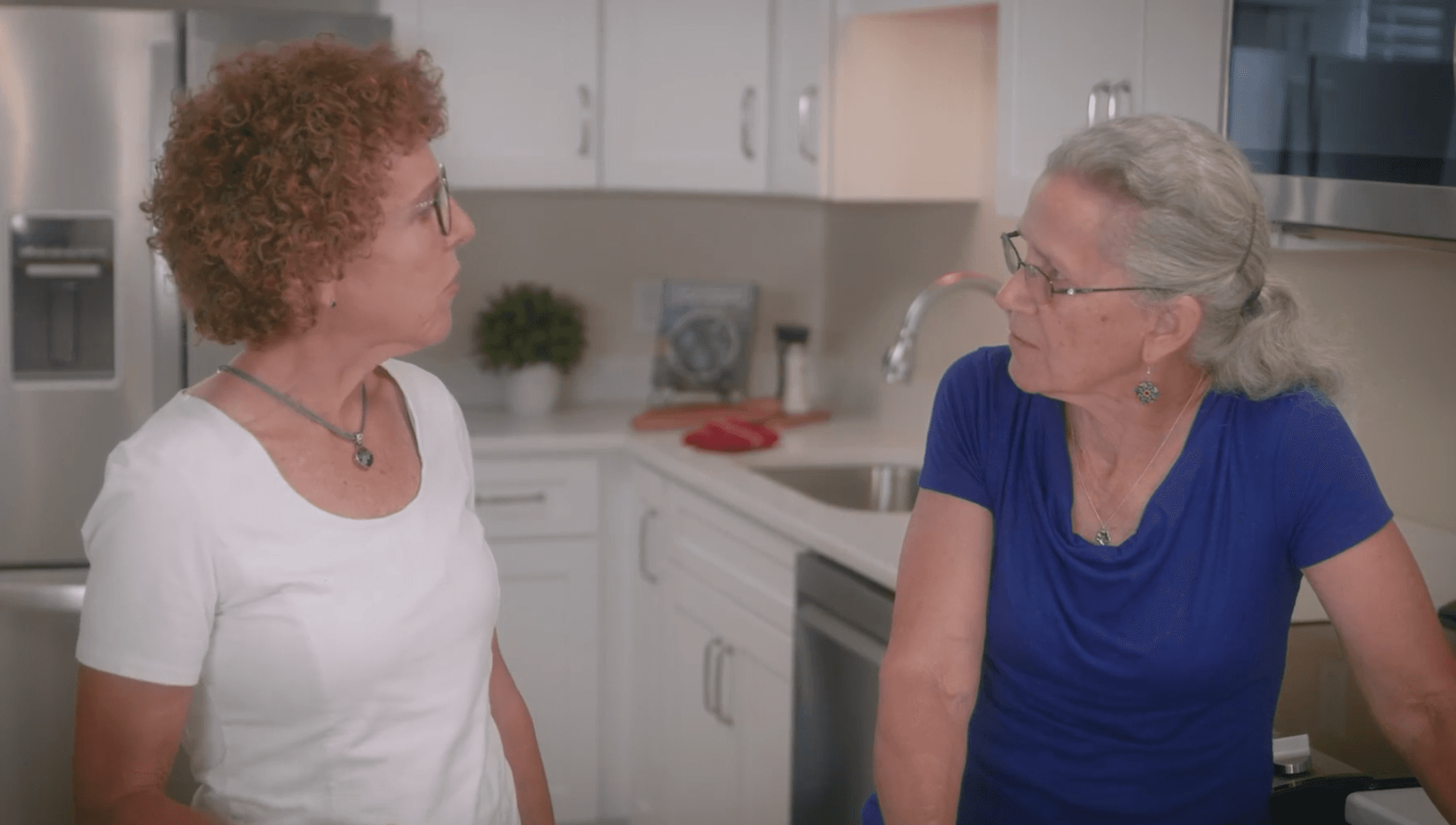
Responding with Validation in Early States of Cognitive Change
Mom has repeated questions about driving. Daughter validates her mother’s feelings and ultimately redirects.
Balancing Risk and Safety
Has the person you support always been a risk taker, or more safety oriented? How about you—are you inclined as a risk taker or safety seeker? Understand the importance of knowing who each of you are and getting on the same page.

caregiving.com
Is My Loved One Safe at Home?
caregiving.com
Preventing Falls In and Outside the Home

caregiving.com
General Home Safety
caregiving.com
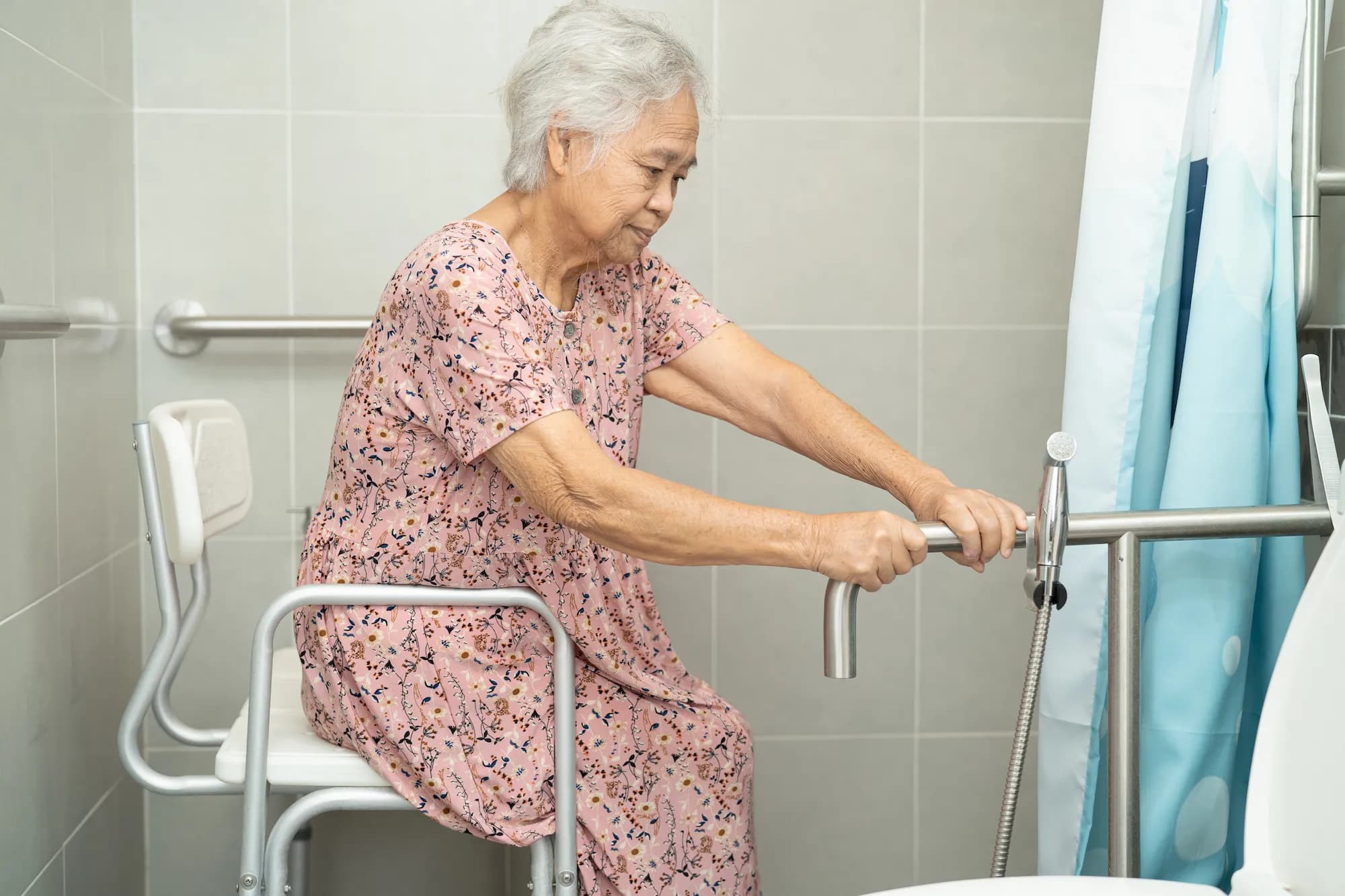
Six Practical Solutions to Avoid Falls in the Bathroom
caregiving.com
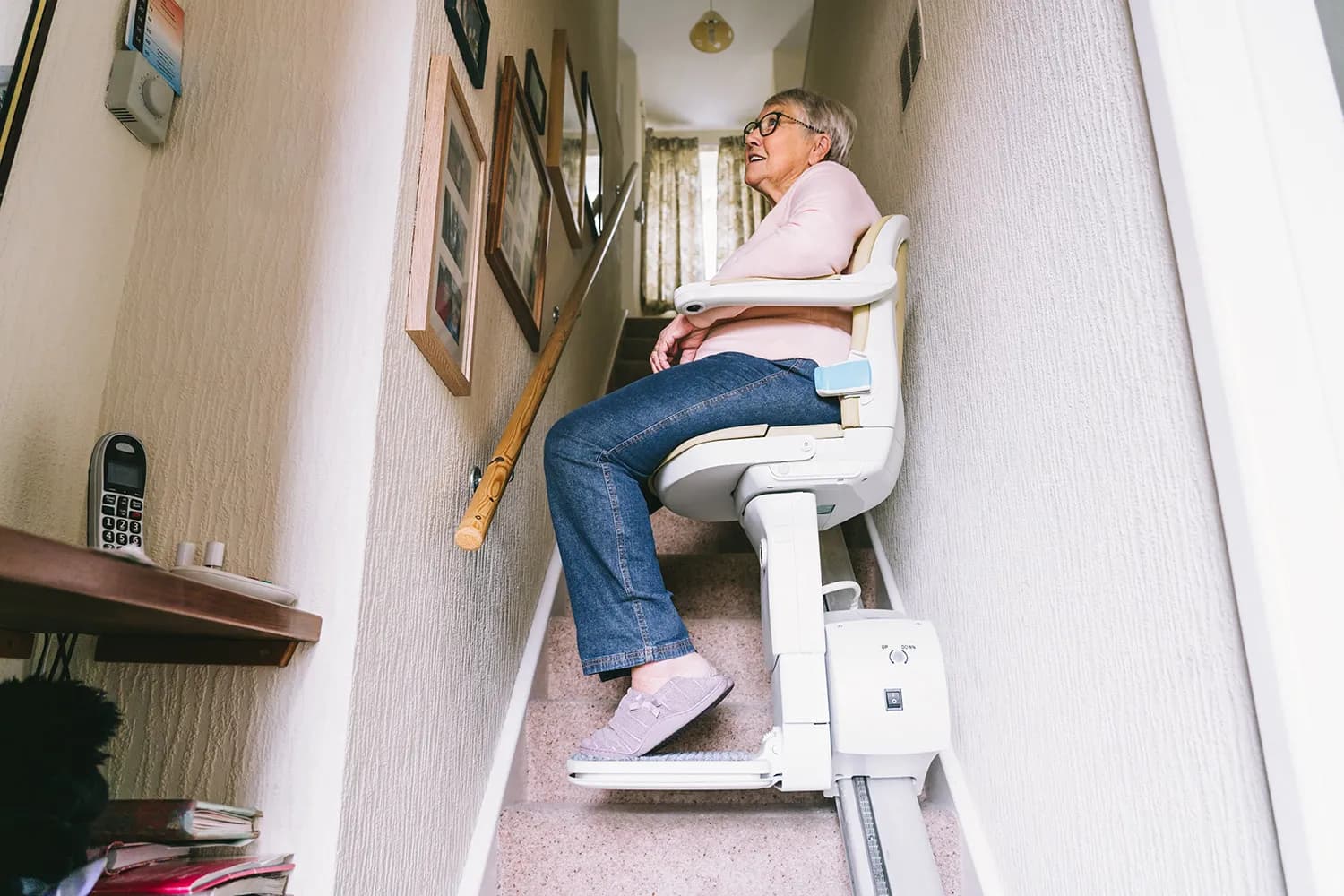
Mobility Aids and Emergency Safety Devices
caregiving.com
Home Preparation for Aging Parents

caregiving.com
Mastering Medication Management - The Basics

caregiving.com
Mastering Medication Management - Sample Documentation Sheet

caregiving.com
Mastering Medication Management - Side Effects & Interactions

caregiving.com
Mastering Medication Management - Questions for Healthcare Providers

caregiving.com
Mastering Medication Management - Vital Role of Proper Disposal

caregiving.com
Mastering Medication Management - Medication Safety with Kids in the House
caregiving.com
Home Away from Home - How Faraway Caregivers Can Ensure Safety and Security

caregiving.com
Making the Home Environment Safe and Secure

caregiving.com
Is It Safe To Drive? Addressing Transportation Challenges
caregiving.com
Safety Checklist

caregiving.com
Over the Counter - Avoiding Mishaps with OTC Medications
caregiving.com
Discussing Monitoring Devices with the Person You Care For

caregiving.com
Technology To Keep Them Safe at Home

caregiving.com
Three Tips to Preventing Infection in your Home
caregiving.com
Home Entrance Safety Introduction

caregiving.com
Safety Tips for Steps

caregiving.com
Real Fall Risks: Common Bathroom Hazards

Home Based Care Options from Region IV AAA
Reduce your risk of falling inside your home and improve safety.
Your local AAA’s Information and Assistance team is here to guide you to trusted resources.
Call us Monday through Friday, from 9am – 5pm at 1(800) 654-2810, or visit our website.

Environmental/Home Modifications
Welcome to Habitat for Humanity of Michigan, where we are dedicated to helping build and restore communities across the state. Habitat’s vision is a world where everyone has a decent place to live. To us, that starts in Michigan.
Michigan has a robust network of 45 Habitat affiliates, serving almost every county in the state. Habitat for Humanity of Michigan is here to support the work your local Michigan affiliate is doing on the ground in your community.
Housing Options for Older Adults
Housing Options for Older Adults is a practical guide that helps seniors and their families weigh key living choices—from owning or renting to group settings and nursing homes—while addressing safety, comfort, costs, and legal considerations.
This booklet breaks down the benefits and challenges of each option and provides helpful resources—like the Eldercare Locator and the ABA Commission on Law and Aging—to support informed decisions.
A Home Fall Prevention Checklist for Older Adults
Check for Safety is a free downloadable brochure from the CDC’s STEADI initiative, offering a practical, room-by-room checklist that helps older adults—or their loved ones—identify and correct common fall hazards at home.
From securing loose rugs and improving stair lighting to installing grab bars in the bathroom, it’s a straightforward guide to making your home safer and more fall-resistant.

Resource Guide
Our aging and caregiving resources keep you informed so you can Live Your Way. Search our Resource Database for local services, read the latest newsletters to learn how we’re supporting older adults, listen to Inside The Senior Alliance podcast to hear about the latest aging issues, or search our calendar to join us at an upcoming meeting.
Services Available in Northeastern Michigan Area
We bring together essential tools, guides, and support connections—from legal services to dementia fact sheets—designed to ease the caregiver journey. Whether you’re seeking information, camaraderie, or practical tips, this hub serving Northeastern Michigan offers compassionate and comprehensive resources to help you thrive.

Services Available in Western Michigan Area
Our services are designed to make aging easier, healthier, and more supported for individuals and families across Western Michigan. Explore options that include caregiving support, home-delivered meals, transportation, and other vital resources.
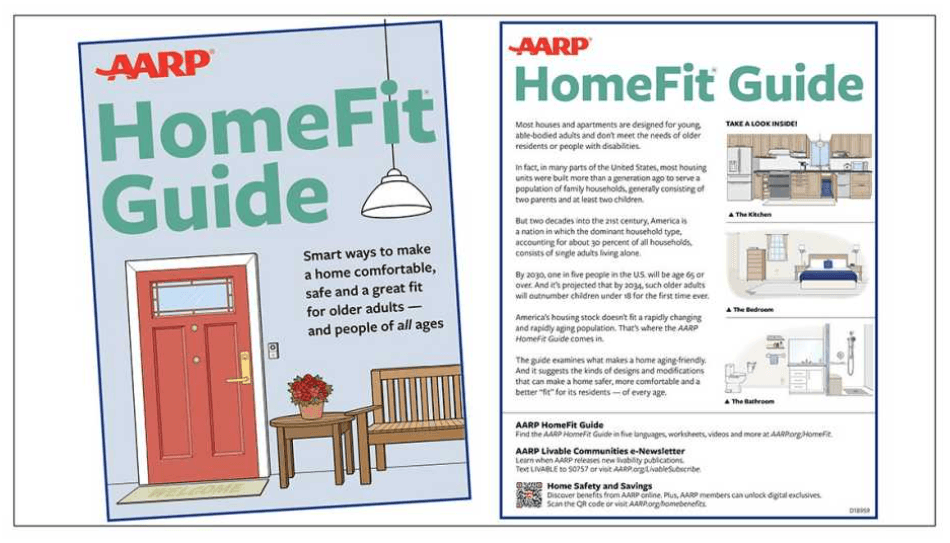
AARP HomeFit Guide
Most houses and apartments are designed for young, able-bodied adults and don’t meet the needs of older residents or people with disabilities. America’s housing stock doesn’t fit a rapidly changing and rapidly aging population.
That’s where the AARP HomeFit Guide comes in. Our free, 36-page, fully-illustrated publication (available in English, Spanish, Chinese, Korean and Vietnamese) features smart ways to make a home comfortable, safe and a great fit for older adults — and people of all ages.

Home Safety Assessments - WellWise Services
Our Home Safety Assessments look at potential safety issues, both inside the house and out and are available to anyone in the community. The assessments are conducted by a Certified Aging in Place Specialist (CAPS), trained to accommodate the needs and safety of older adults and people with disabilities who want to stay in their home. We provide a report that includes suggested modifications and our Information and Referral staff can help you with resources to assist with any changes that may be needed.
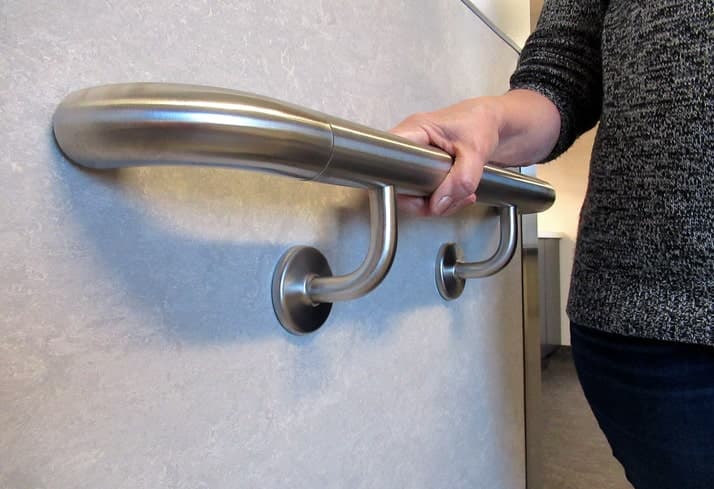
Aging In Place: Modifications Keep Homes Safe for Seniors
Many older adults prefer to stay in the comfort of their own homes—and with the right adjustments, it’s both possible and practical. This guide explores affordable, impactful home modifications—like grab bars, improved lighting, and accessible fixtures—along with tech options and local support programs to help you age in place safely and confidently.
Programs & Services - Tri County Area
Tri-County Office on Aging (TCOA) serves Clinton, Eaton, and Ingham counties and the cities of Lansing and East Lansing. Our mission is to promote and preserve the independence and dignity of the aging population with a variety of programs and services.

Community Living Program - Branch-Hillsdale-St. Joseph
This is a program provided directly by Region IIIC Area Agency on Aging. It fulfills clients’ wishes to remain in their own home by arranging in-home long-term care services when they are at risk or in need of nursing home placement.
Aging at Home Programs - Kalamazoo
The Area Agency on Aging Region 3A provides services directly, and through contracted providers to serve older adults and caregivers in Kalamazoo County. This includes home delivered meals, home repair, respite service, transportation assistance, medical equipment, and more! Services are funded by the Older Americans Act, State Funding, and the Kalamazoo County Senior Millage.

Caregiving Haven
The Caregiving Haven is a one-stop source for guidance, tools, resources, and connections that empower caregivers and their loved ones to focus on enjoying a fulfilling life together.
Reference Guide for Michigan Seniors
Senior Preferences is a free, all-inclusive resource guide produced by Jackson Publishing Co. that compiles a list of community organizations and local businesses catering to the needs of senior citizens.
Senior Preferences serves as a reference tool for professionals who influence senior decisions daily, including physicians, social workers and discharge planners. We make it easy for out-of-town family assisting with care to access area resources by publishing each edition digitally.