About this resource
This AgeWays article makes a compelling, practical case for aging in place: more than 75% of adults over 50 want to stay in their homes long term, and strategic home modifications are usually far more affordable than moving to assisted living. For caregivers and families, it’s a clear-eyed guide to making a home safer before a fall or health event forces a costly change.
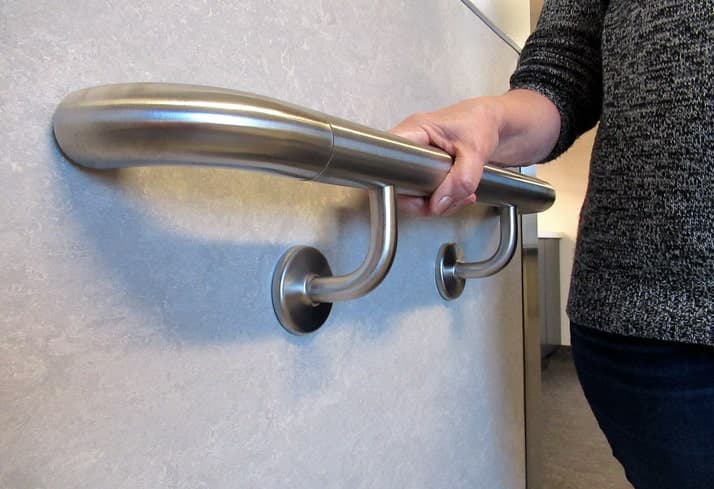
The article identifies the most common home hazards to tackle first — throw rugs and inadequate lighting, unsecured banisters and missing handrails, cluttered high-traffic areas, and slippery bathroom surfaces — and recommends targeted fixes. These range from inexpensive steps like brighter lightbulbs and removing trip hazards to installing grab bars, handrails, walk-in showers, ramps, and stairlifts (basic models around $3,200–$3,500). It frames these costs against the alternative: roughly $59,000 a year for substantial in-home health care or about $57,000 for assisted living, plus the risk of expensive hospital bills from a preventable fall.
This resource matters because it reframes home modifications not as an expense but as a smart investment in safety and independence. Crucially, it also points to help: AgeWays offers free home assessments, connects seniors to CAPS-certified specialists, and runs programs providing low- or no-cost grab bars, handrails, and emergency response devices across five Michigan counties. For families weighing how to keep a loved one safe at home, this article offers both motivation and a starting point.
What you'll get from this resource
- An AgeWays article showing that home modifications are usually cheaper than moving to assisted living.
- Prioritizes fixing common hazards: throw rugs, poor lighting, missing handrails, and slippery bathrooms.
- Recommends grab bars, handrails, walk-in showers, ramps, and stairlifts, with cost comparisons.
- AgeWays offers free home assessments and low/no-cost equipment programs across five Michigan counties.
Frequently asked questions
The most common ones: throw rugs, inadequate lighting, unsecured banisters and missing handrails, clutter in high-traffic areas, and slippery bathroom surfaces.
Generally yes. The article compares modification costs against roughly $57,000–$59,000 a year for assisted living or extensive in-home care, plus the cost of preventable falls.
AgeWays offers free home assessments, CAPS-certified specialist referrals, and low/no-cost equipment programs across five Michigan counties.
We're here to help.
You've found your partner in caregiving. Connect with your local Area Agency on Aging for personalized services, programs, and support in your area.