About this resource
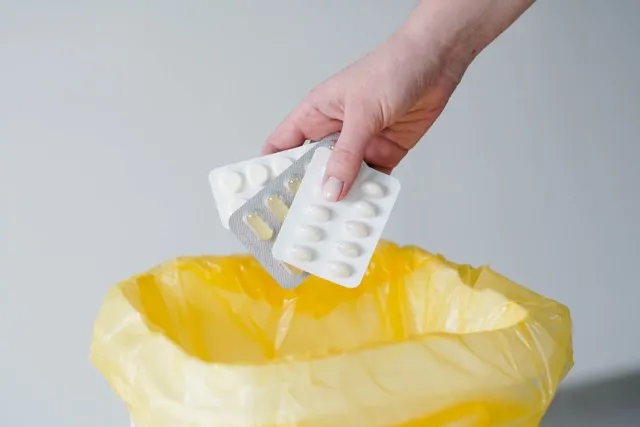
This article from Caregiving.com’s Mastering Medication Management series highlights an often-overlooked responsibility: the proper disposal of unused or expired medications. As it explains, responsible medication management includes not only accurate administration but also getting rid of medications safely once they’re no longer needed.
The article explains why proper disposal matters and how to do it correctly. Expired or leftover medications — especially controlled substances and opioids — pose risks of accidental ingestion by children or pets, misuse or diversion, and environmental harm if flushed or thrown away improperly. The guidance typically points caregivers to safe options such as drug take-back programs and authorized collection sites (often at pharmacies or police stations), DEA National Prescription Drug Take Back Day events, and, when those aren’t available, the recommended at-home disposal methods for specific drugs. It encourages caregivers to clear out medication cabinets regularly rather than letting unused drugs accumulate.
This resource matters because accumulated, unneeded medications are a quiet hazard in many homes — a source of accidental poisoning, misuse, and confusion about what a loved one should actually be taking. Safe disposal protects the household and the community. For caregivers managing a loved one’s medications, this article completes the picture of responsible medication management. It is freely available on Caregiving.com.
What you'll get from this resource
- A Caregiving.com guide to safely disposing of unused or expired medications.
- Improperly kept or discarded drugs risk accidental ingestion, misuse, and environmental harm.
- Recommends take-back programs, authorized collection sites, and DEA Take Back Day events.
- Freely available on Caregiving.com; part of the Mastering Medication Management series.
Frequently asked questions
Unused or expired medications risk accidental ingestion by children or pets, misuse or diversion, and environmental harm if discarded improperly.
Use drug take-back programs, authorized collection sites (often at pharmacies or police stations), or DEA Take Back Day events; follow recommended methods when those aren’t available.
The article is freely available on Caregiving.com.
We're here to help.
You've found your partner in caregiving. Connect with your local Area Agency on Aging for personalized services, programs, and support in your area.