Asking for Help
Because we know how hard it is to ask — especially when you’re used to being the one others rely on. It takes courage to say you need help, and we’re here to make that step a little easier.


Dementia Institute
The Dementia Institute was created to improve dementia well-being. Our dementia experts support those living with dementia and their care partners with dozens of classes, consultations, navigation, support, respite, engagement products, and much more. We also train and certify healthcare professionals, ministry leaders, and emergency responders, and collaborate with health systems, universities, and other experts around the country.
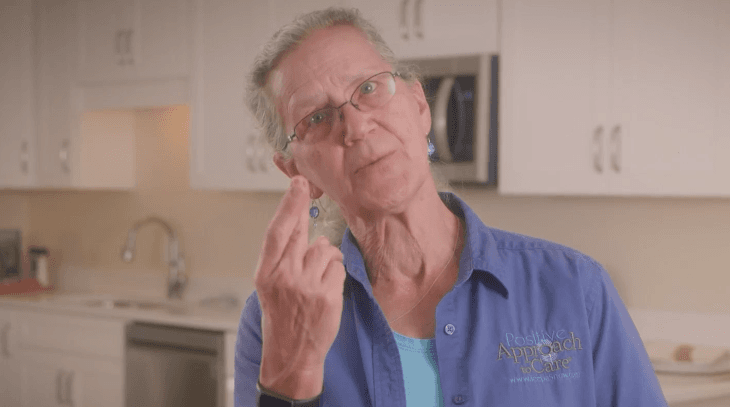
Accepting Help From Others
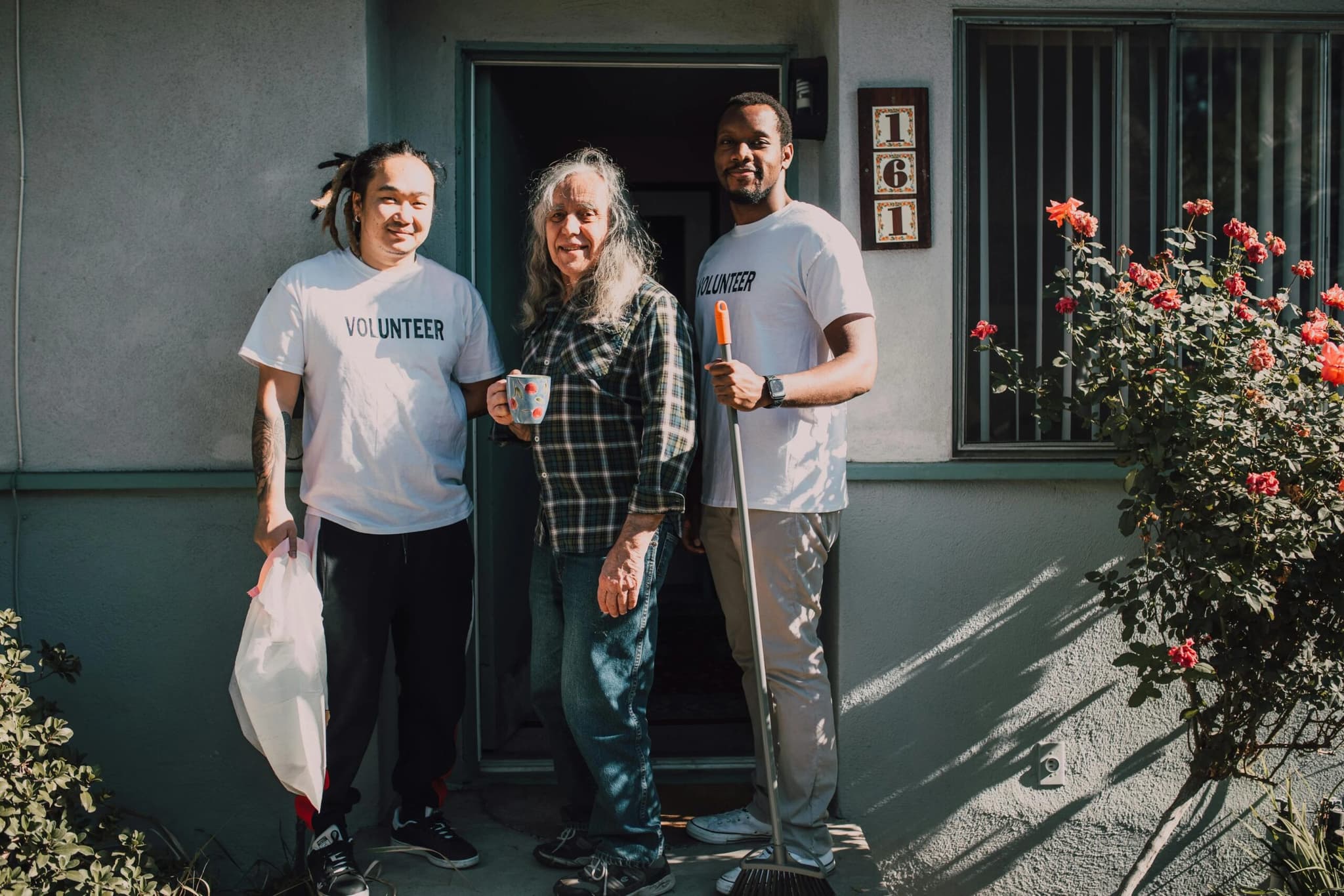
Allowing others to help ensures the person you support maintains healthy relationships and doesn’t become overly dependent on one caregiver. Shared caregiving builds resilience and connection for everyone involved.
Assessing Your Resources
Take time to assess the supports and services available to you—family, friends, professionals, and community programs—and decide when and how to use them. Knowing when to seek help is a key part of sustainable caregiving.
Building A Support Team
Learn why it’s essential for care partners to include additional people on the care team. Sharing responsibilities not only prevents burnout but also ensures more balanced, continuous, and compassionate support for the person receiving care.
Evaluate Your Own Abilities
How to evaluate and monitor your capabilities as a care partner.
caregiving.com
How do I Find Help in My Community?

caregiving.com
Do I Need Help?

caregiving.com
Not sure how to answer the question; How can I help?
caregiving.com
Asking for Help to Relieve Caregiver Stress